
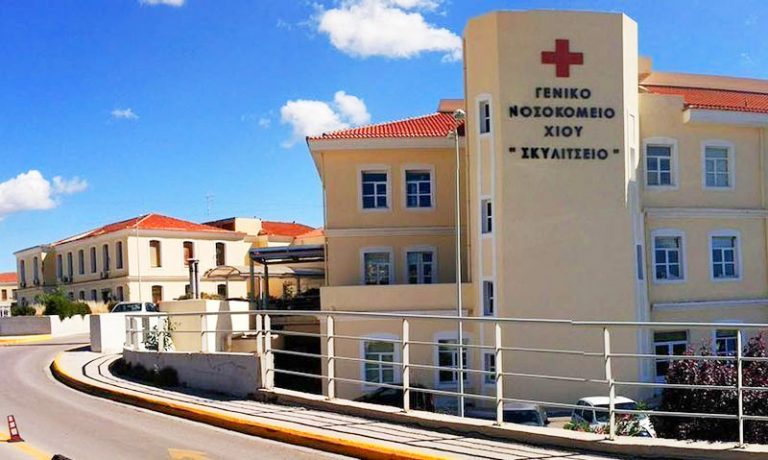
Hospital Transfers
With this service, we filled an essential need for transfers between Vial CCAC and medical facilities to ensure that asylum seekers made it to their hospital appointments on time.
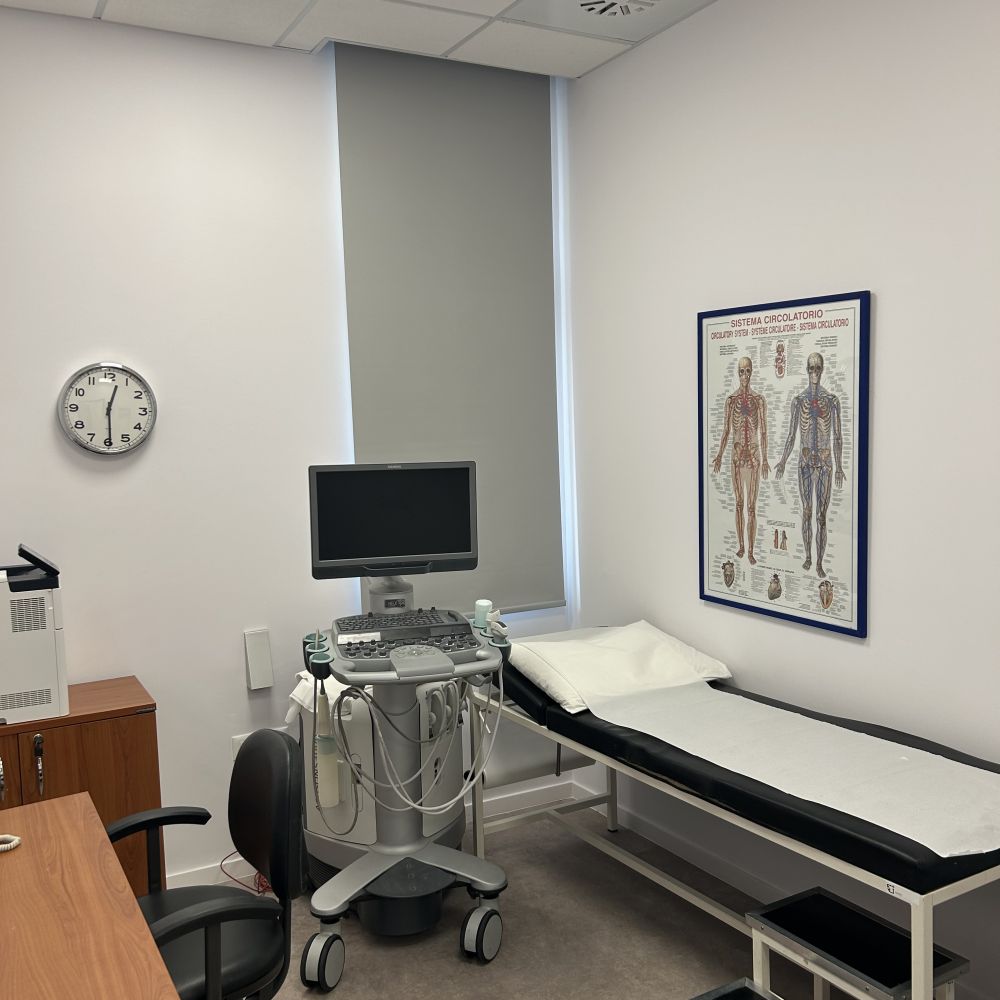
Ultrasound Project
In 2024, when the Chios public hospital is no longer providing free ultrasounds to pregnant asylum seekers, we paid for pregnant women from Vial at least one appointment for an abdominal and internal ultrasound scan during their pregnancy, as well as transport for their appointment from Vial camp to the clinic and back.
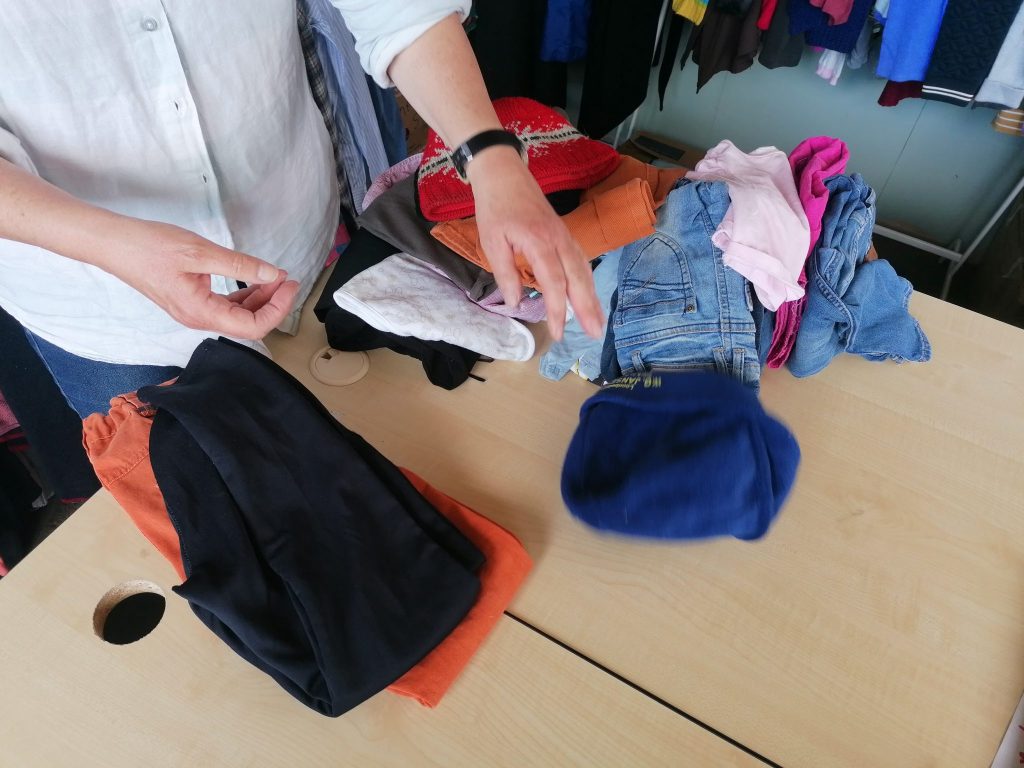
Skin Infection Packs
We prepared and provided sets of clothes especially conceived for those affected by skin infections. Whenever someone inside the camp develops a skin condition, we supply them with the number of packs requested by doctors, in order to provide relief and help the recovery process of those affected by the disease.
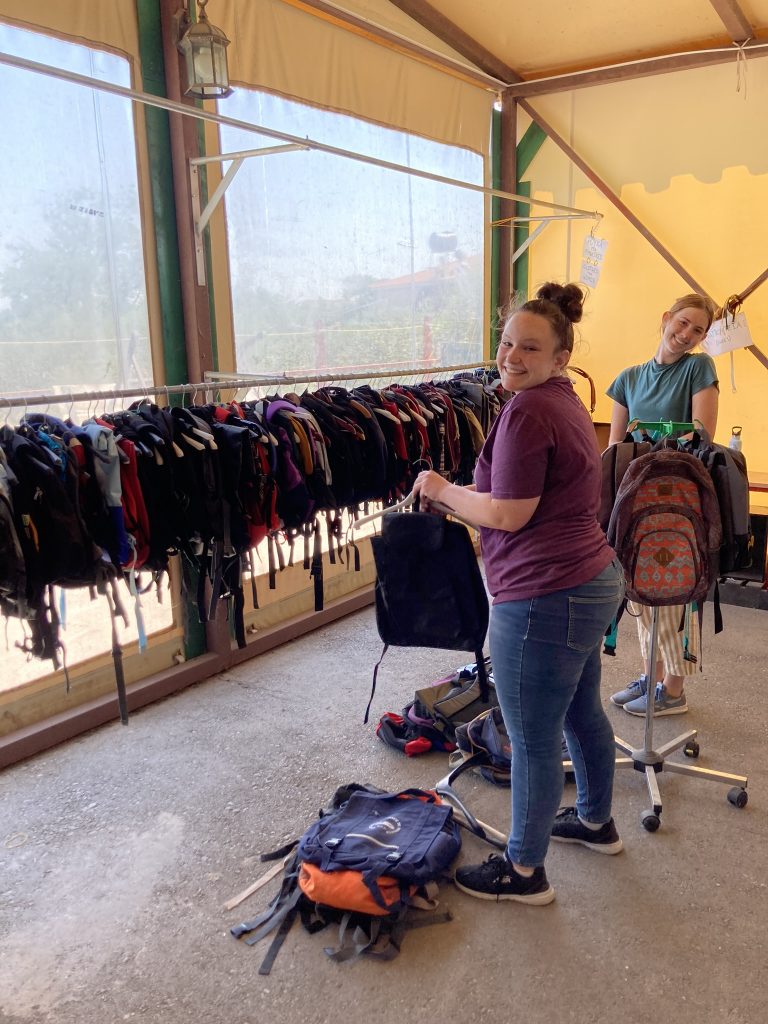
Travel Bag Project
We identified that there was a need for travel bags for those leaving the island. To support them on their journey, once they have a valid travel ticket, they can come to our shop to collect a travel bag.
Food Distributions
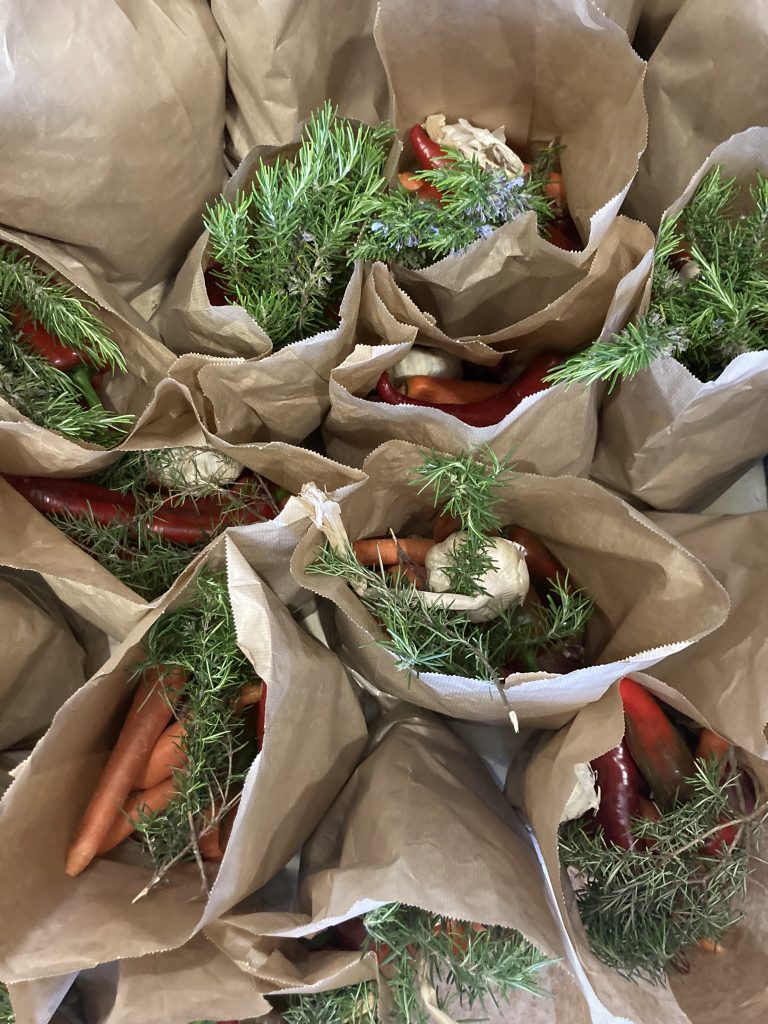
We ran monthly food distributions to complement our NFIs. Each month we asked beneficiaries what they would prefer between fresh vegetables and fruit or cupboard items such as olive oil and then we prepare and distribute the food packs to those living in Vial Camp and those living outside of the camp.
Landings
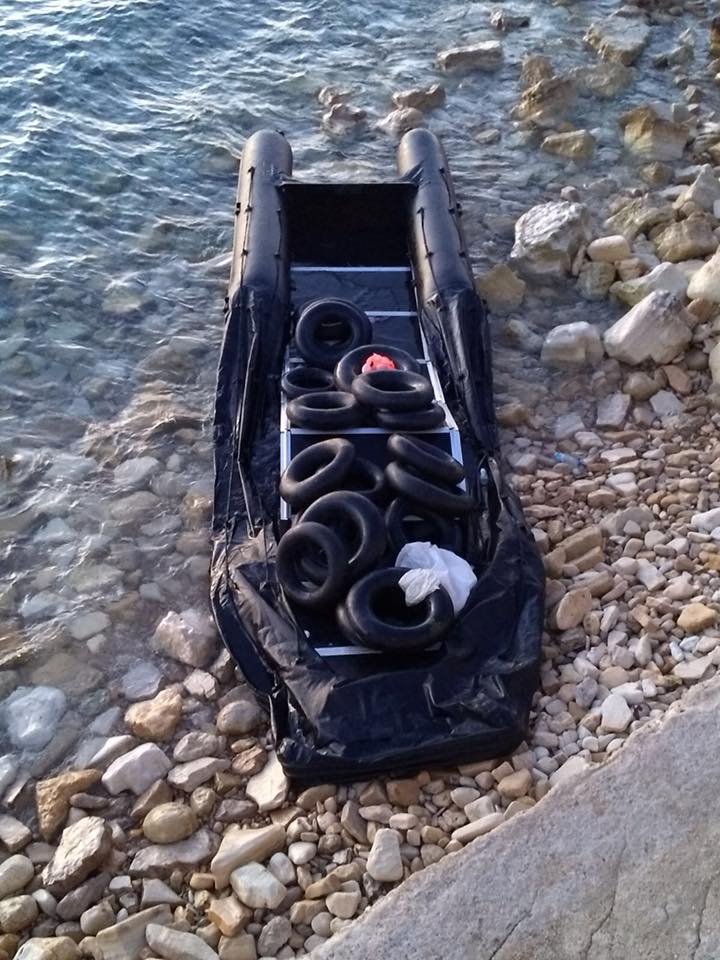
Since the formation of the very first team in 2015, thousands of volunteers have contributed their time, energy, kindness and resources to provide direct humanitarian aid. It was our aim to meet the immediate needs of refugees and asylum seekers who arrived in Chios after life threatening boat journeys across the Aegean Sea from Turkey. We were a First Response Team operating 24/7. A landing could either be on the shore line of Chios, a beach or roadside, or by police transfer to Chios Port.
Apartment Activities
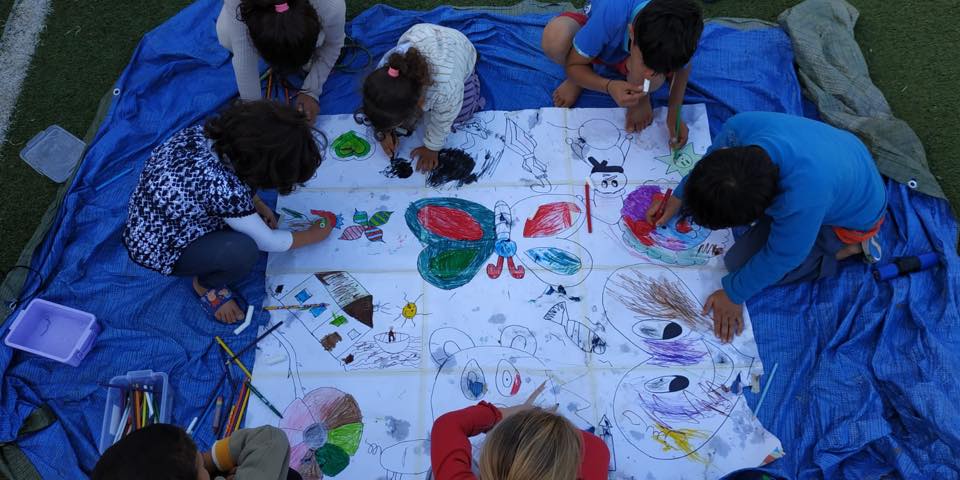
3 times a week we facilitated activities at apartment blocks which were home to asylum seekers and refugees. Sessions were targeted at men, women and children according to the demographics of the block. These sessions were aimed to encourage socialization within the residents of apartments and served as a relief from an often boring schedule.
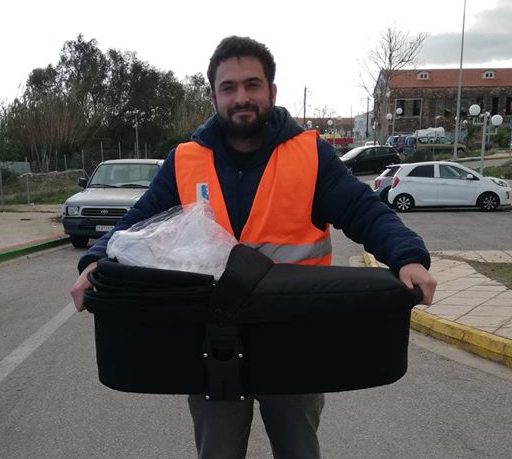
Although refugees living in camps make up the vast majority of those displaced on Chios, a small number of especially vulnerable people are rehoused to one of Chios’ Government sponsored apartments located elsewhere on the island. Refugees were granted apartments on a needs basis, and successful applicants have to fall under at least one of the criteria that class them as “vulnerable”: disability, critical mental health, chronic illness, pregnancy, or single-parent households.
Apartment Distributions
Although most displaced people on Chios live in camps, a small number of the most vulnerable are relocated to government-sponsored apartments across the island. Eligibility is based on specific vulnerability criteria, including disability, severe mental health conditions, chronic illness, pregnancy, or single parenthood. While these apartments offer greater privacy and safety, they often come with significant challenges. Many residents experience deep loneliness and isolation, and beyond the accommodation itself, they frequently receive little to no additional support. Basic necessities such as food, clothing, kitchen supplies, hygiene items, diapers, and even essential appliances like electric stoves are often lacking. Because these apartments house individuals with the greatest needs, yet provide minimal resources, supporting these residents became central to our mission as an emergency relief charity.
Bench Project
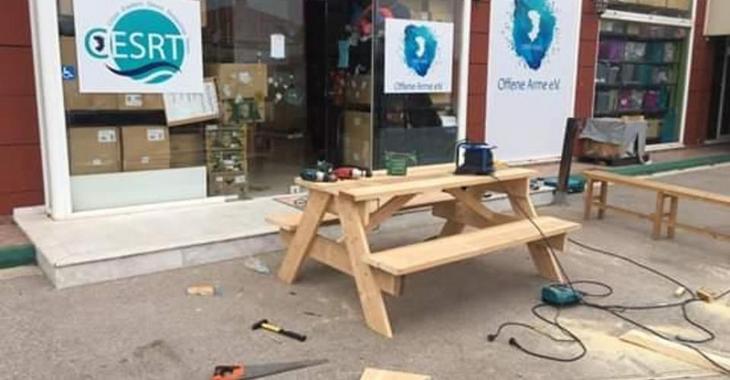
In the Summer of 2019, the team got the idea to make some picnic tables and benches for the residents of the camp!
Money was raised to pay for the wood and materials to build about 80 tables.
The volunteers first prepared the different parts at the warehouse : they cut and sanded the wood, and then painted it. They later went to the camp, and with the help of residents assembled the tables and benches inside Vial.
Cleaning at Vial
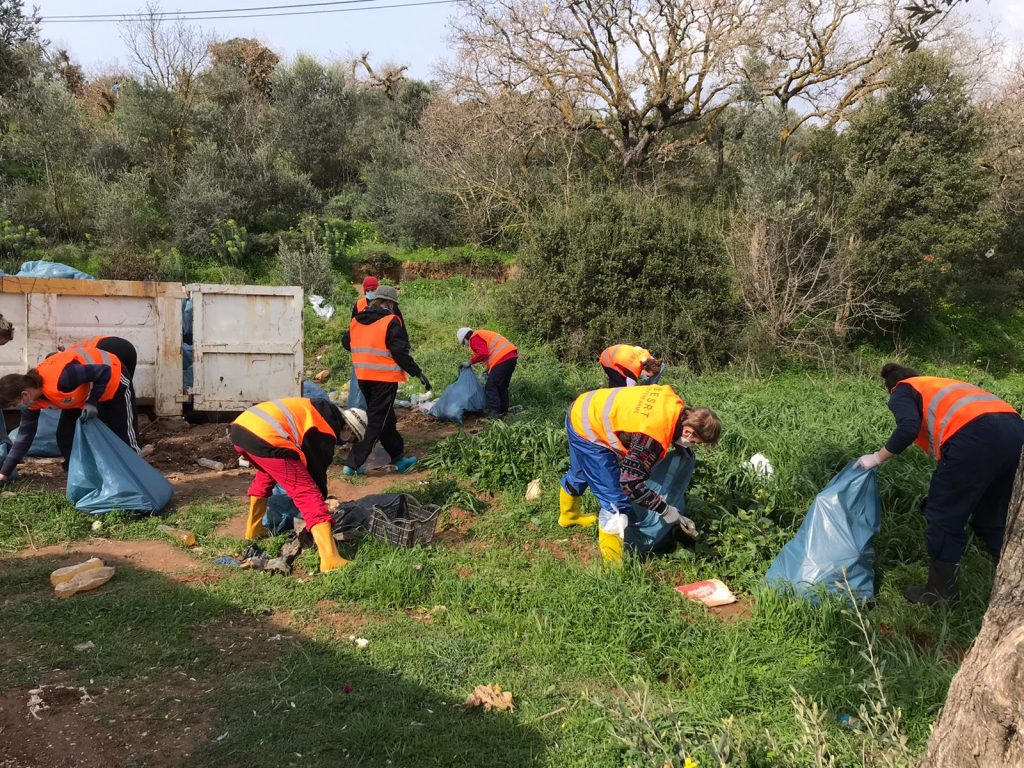
Twice a week our team of volunteers together with community volunteers went into the fields surrounding the jungle area of Vial Camp to litter pick and clear waste, then placing the rubbish bags in the skips close by. Our plan was to work our way around the camp so that all the fields will be cleaned.
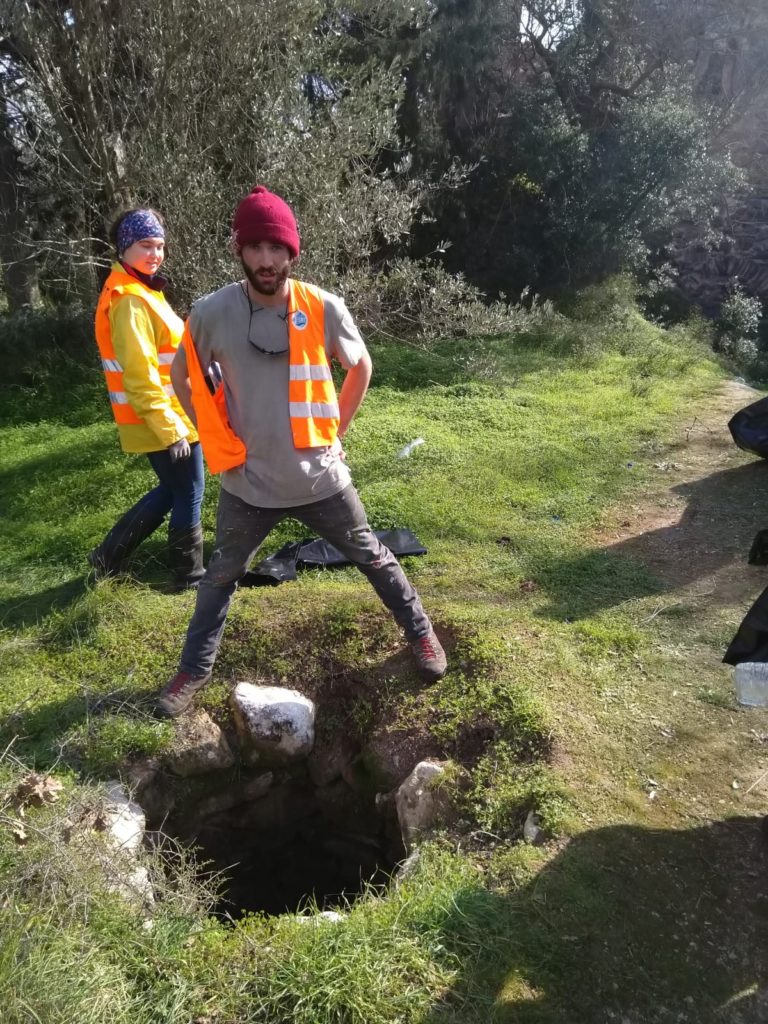
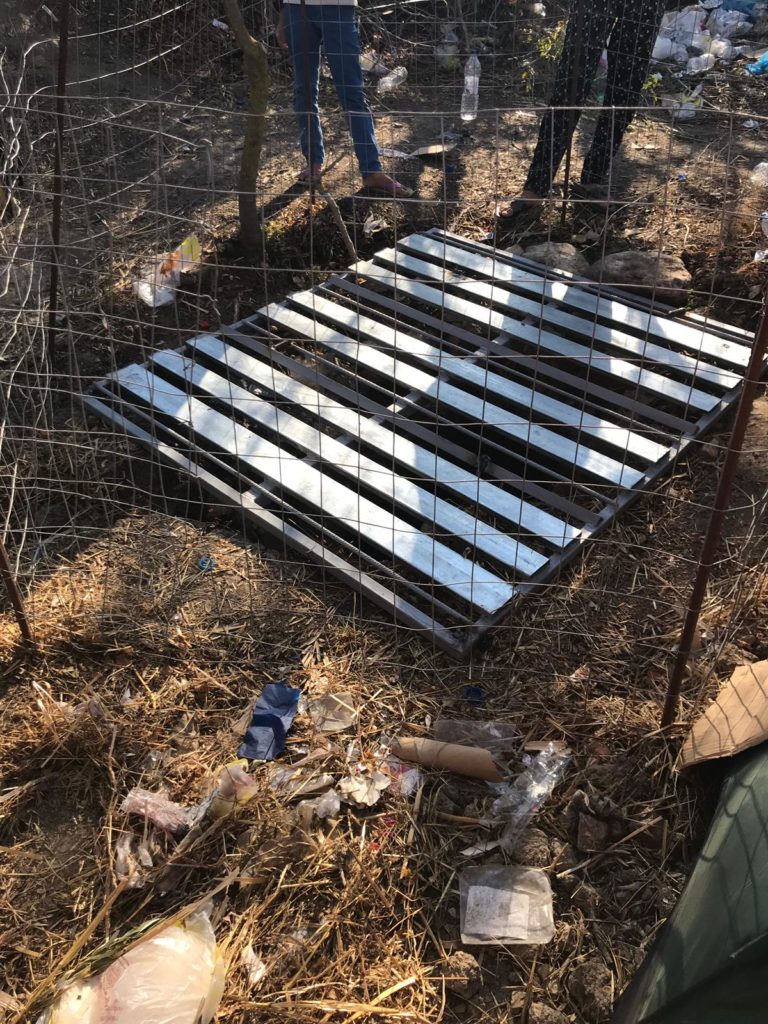
During the course of our team’s cleaning work in the “jungle” area outside of Vial, we discovered several open wells that posed a serious and potentially deadly threat to camp residents who walk through this area at all times of day and night.
Upon identifying these open wells, our volunteers surrounded them with flagging so they would be immediately identifiable to people walking in the area, and went to work installing caps to ensure no one is seriously injured by these hazards.

Football Pitch Drainage
In Vial camp, sewage and waste from overflowing toilets were draining into living areas and the nearby football pitch, exposing thousands of people—including children—to serious health risks each day.
In response, and in coordination with camp management, we launched a project to address the issue by installing drainage and a gravel pathway alongside the pitch. Volunteers dug trenches to redirect contaminated water away from key areas, while a hired digger was used to excavate harder ground and install underground piping to connect with existing drains.
Following this work, additional support from donors and former volunteers allowed us to expand the drainage system above the stadium, helping to prevent future flooding. We also improved the space by power-washing the Astroturf and refurbishing the stadium seating through plastering, cleaning, and painting—creating a safer, cleaner, and more welcoming environment for residents.
Stair Project
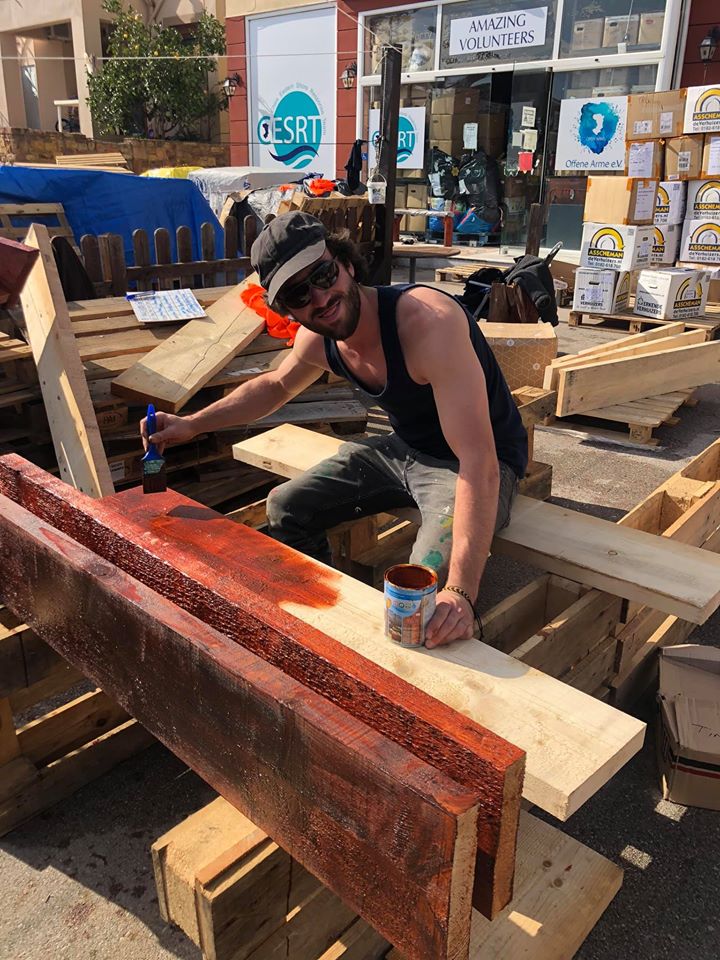
In early February 2020, we built five sets of steps that we installed around Vial Camp, as well as arranging for the installation of a metal handrail. There were a series of shelters positioned above a wall that were difficult to access.
Vial Games
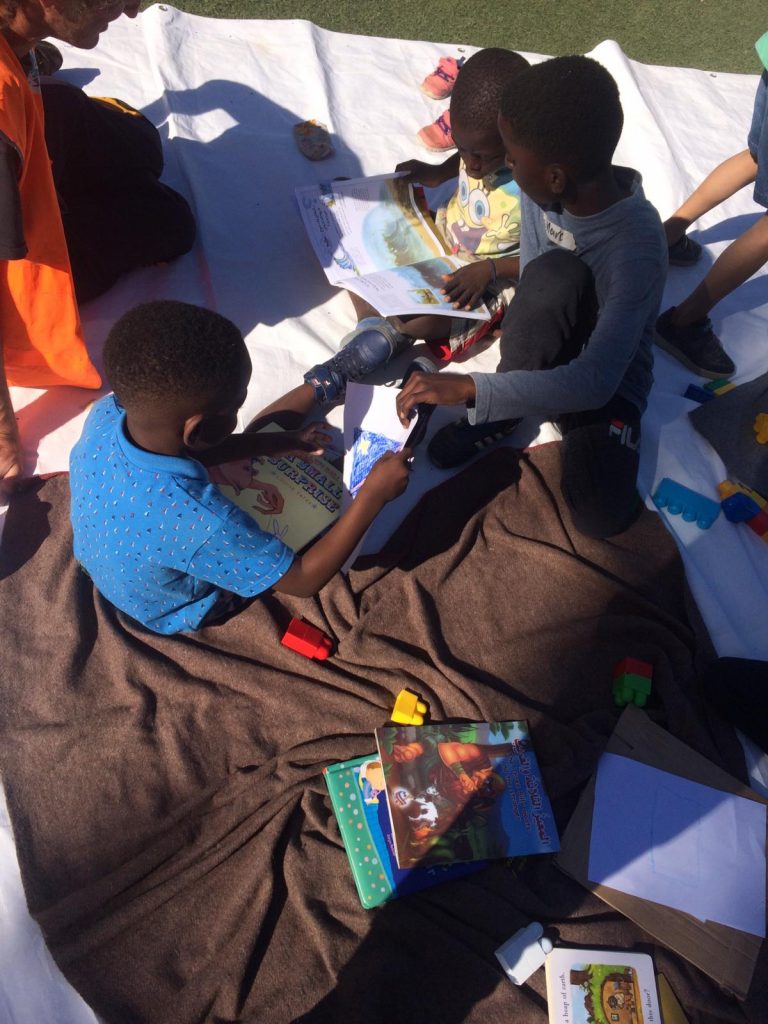
Vial used to be home to more than 1000 children, making up 30% of the refugee camp’s population. Playing has a positive effect on a child’s brain and is vital to their physical, cognitive and social development. With this in mind, this project was carefully structured to enable the children to gain a sense of familiarity with the program and using routine to bridge the inevitable language gap. We were supported by adult residents from the camp who spoke various languages and helped with the activities. Additionally, we created a space where parents could relax and feel empowered to play with their children and have fun together.
Vial Metal Grate
We were alerted to the presence of two abandoned water wells in the fields around Vial camp, where tents have been erected for the overflow of residents. The Vial staff had erected make-shift fences around the wells, but there was still a danger that children, or even adults, could fall in. It was especially a hazard at night, as there is no lighting in that part of the camp. Drawing upon the expertise of a local welder and the resources of our generous donors, we were able have steel grate covers installed over both wells within 2 days. Thanks to this joint effort, the residents of Vial are now safe from an unnecessary hazard!
Vial Tea
Every Saturday afternoon our team distributed hot black tea to the residents of Vial while providing games such as chess, Jenga, and cards to the adults. Our main goal was to create a friendly space of interaction between volunteers and amongst the residents – where they can play together or have a little chat while enjoying their tea. We try to encourage encounters between people who haven’t met each other before, and in this way, we hoped to break through stereotypes and prejudice. With our presence and a warm smile, we let the residents know that we care and that we are aware of their situation. Even though this project focuses mainly on adults, we also gave out tea and provide paper and pencils for the children.
450.000 Litres of Water
In 2019, OA/CESRT provided the Vial Refugee Camp with almost 15,000 liters of water per day. In total we supplied 450,000 liters.